Niacinamide is one of the most popular serum ingredients. Here is what it is, what the research actually shows, and how to use it without overloading your routine.
What is niacinamide?
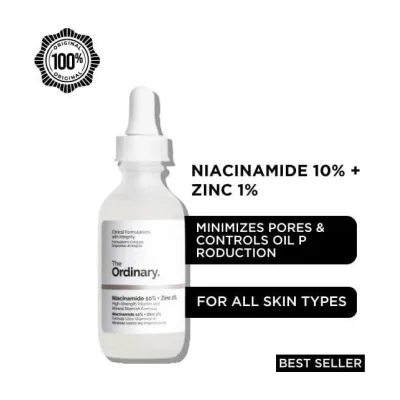
Niacinamide (also called nicotinamide) is a form of vitamin B3. In skincare it appears in serums, moisturisers and cleansers, often at concentrations printed on the label — for example The Ordinary Niacinamide 10% + Zinc 1%.
What does research say it does?
- Tone and dark spots: clinical studies of topical niacinamide reported a reduction in the appearance of hyperpigmented spots.
- Fine lines and texture: a widely cited study found improvements in the look of fine lines, wrinkles, red blotchiness and sallowness.
- Skin barrier: studies report reduced water loss through the skin, a sign of a healthier barrier.
- Tolerance: reviews describe it as well tolerated on the skin.
A 2021 scientific review concluded that topical niacinamide reduced signs of skin ageing and hyperpigmentation in clinical trials, while noting that how it works is not fully settled. In other words: promising, but not a miracle.
How to use a niacinamide serum
- Cleanse your face gently.
- Apply a few drops of serum to dry skin and spread evenly.
- Moisturise on top.
- In the morning, finish with sunscreen — the most important step for dark spots.
Follow the directions on your product. Add one new product at a time so you can tell how your skin responds — dermatologists warn that switching products too often can irritate skin.
What to expect
Topical products work gradually. Give a new serum several weeks before judging it. If you have a skin condition such as persistent acne or melasma, see a dermatologist — a serum is a cosmetic, not a treatment.
Shop niacinamide and brightening skincare
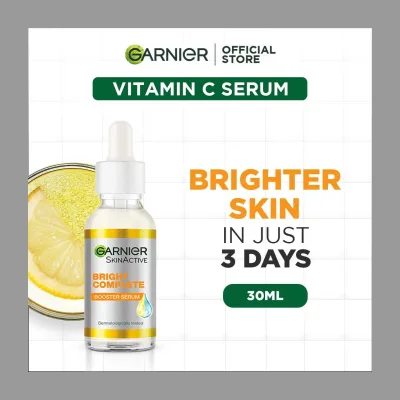
Browse our skincare for dull skin and uneven tone, including Garnier Bright Complete Vitamin C Booster Serum.