Sunscreen labels are full of numbers and terms. This guide explains what they mean, so you can compare the sunscreens on our shelves and pick one you will actually wear every day.
What to look for on the label
The American Academy of Dermatology (AAD) recommends a sunscreen that has all three of these:
- Broad spectrum — protects against both UVA and UVB rays.
- SPF 30 or higher.
- Water resistant — useful if you sweat or swim.
What SPF actually measures
SPF (sun protection factor) shows the level of sunburn protection a sunscreen gives, and mainly reflects protection against UVB rays. That is why the words “broad spectrum” matter too: they tell you the product also protects against UVA.
A higher SPF number is not a reason to apply less or reapply less often. How much you apply, and how often, makes a big difference to the protection you actually get.
“Water resistant” is not “waterproof”
Water-resistant sunscreens must say whether they stay effective for 40 or 80 minutes while swimming or sweating. There is no such thing as a waterproof sunscreen — sweat and water wash it off — so reapply after that time.
Choosing for your skin type
- Oily or acne-prone skin: look for “non-comedogenic” or “won't clog pores” on the label. Lightweight lotions and gel textures usually feel less heavy.
- Dry skin: look for “moisturizing” on the label. A moisturiser with SPF can combine two steps in the morning.
- Dark spots: the AAD notes that tinted sunscreens containing iron oxide also help protect against visible light, which can worsen dark spots.
- Sensitive skin: try a new sunscreen on a small patch of skin first, and stop using it if it irritates.
How to apply sunscreen properly
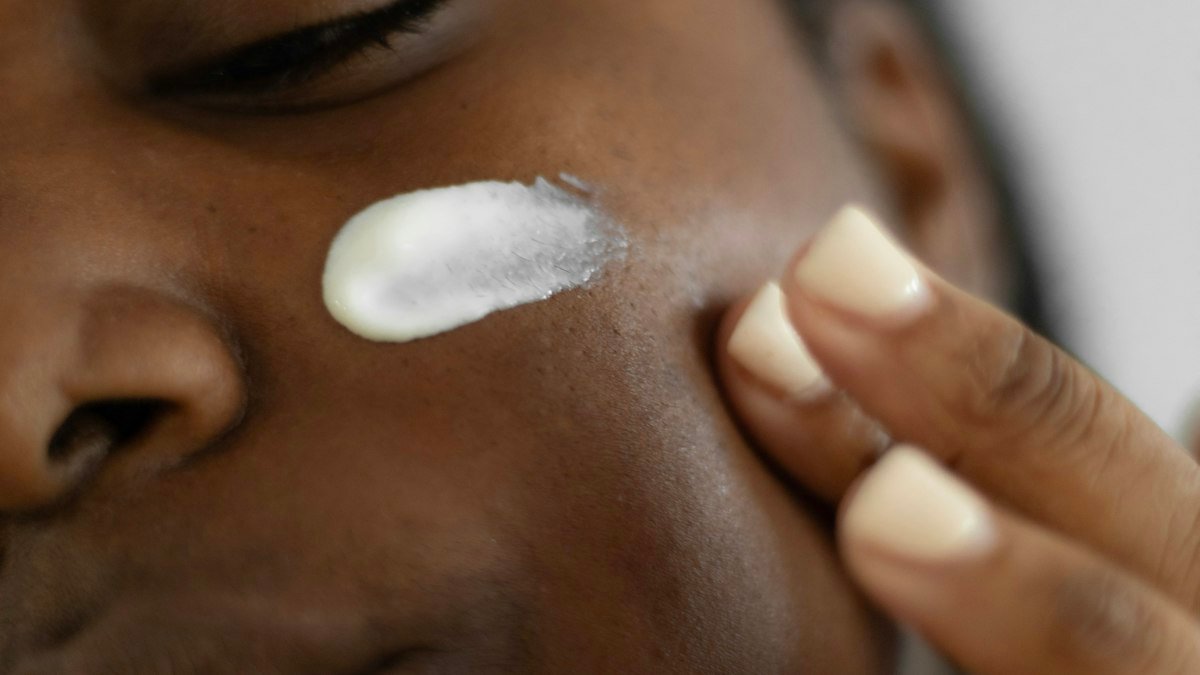
- Use enough. For the face, the AAD advises at least 1 teaspoon. To cover the exposed body, most adults need about 1 ounce (roughly a shot glass).
- Apply about 15 minutes before going out — it takes roughly that long for skin to absorb it.
- Don't miss your ears, neck and the backs of your hands.
- Reapply at least every 2 hours, and straight after swimming or sweating.
Comparing the sunscreens we stock
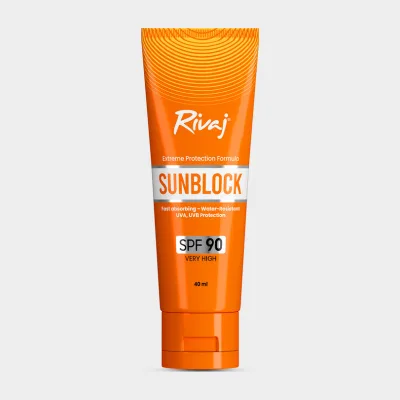
All the sunscreens in our skincare range list their SPF on the product page. When comparing, check the label for “broad spectrum”, the SPF, whether it is water resistant, and the texture (lotion, cream or gel) that suits your skin. You can also search for SPF products. If you are unsure which one suits you, message us on WhatsApp and we will help you compare.